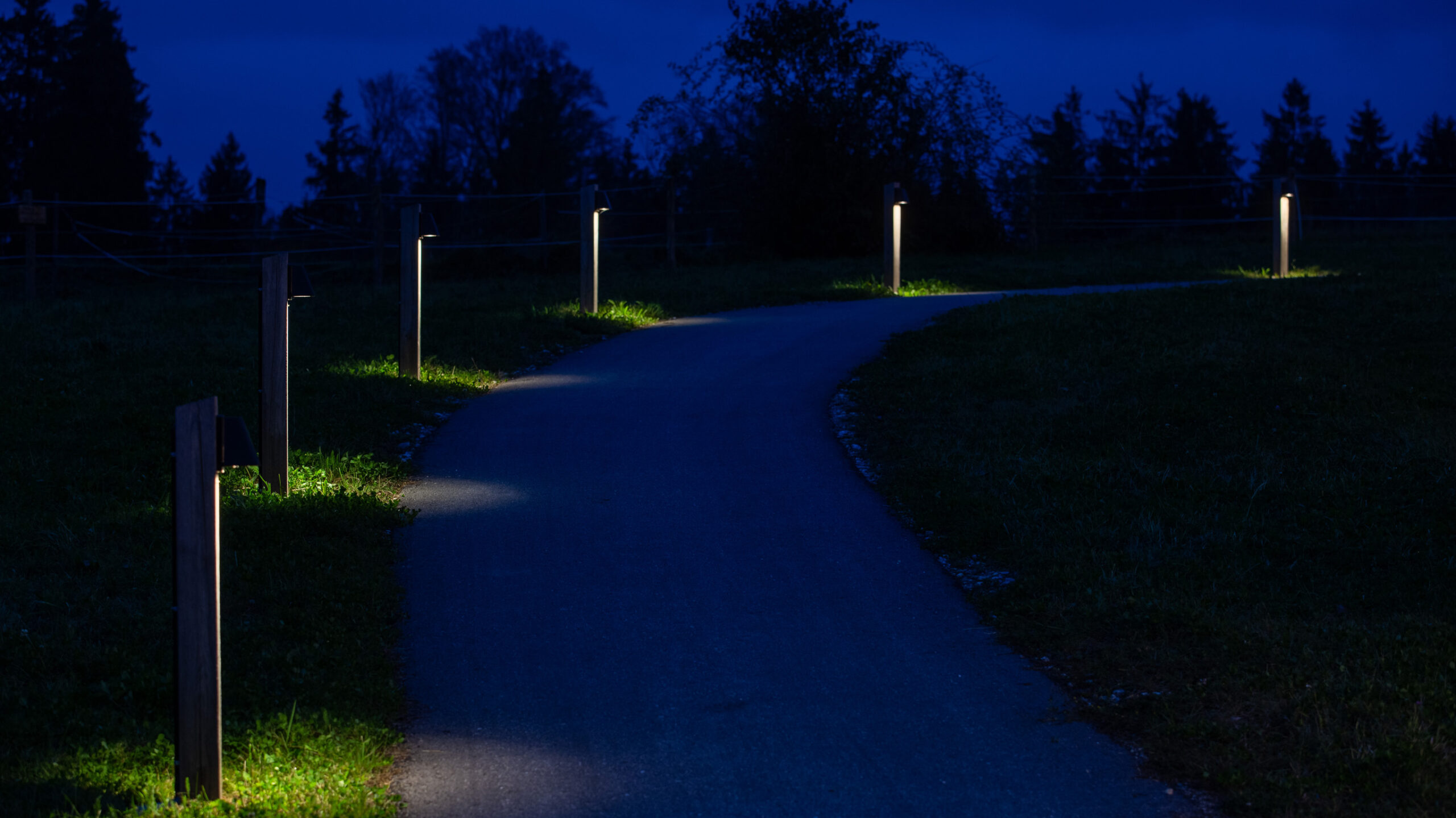
While the reduction of light emissions is described as a planning task in nature conservation and quality of life, this chapter focuses on darkness itself – as an active, protectable resource.
The ecological quality of urban lighting arises not solely from efficiency metrics, but from deliberate limitation. Light has an impact far beyond its immediate application: it alters nocturnal habitats, influences the orientation and behaviour of animals, and shapes the character of the urban nightscape.
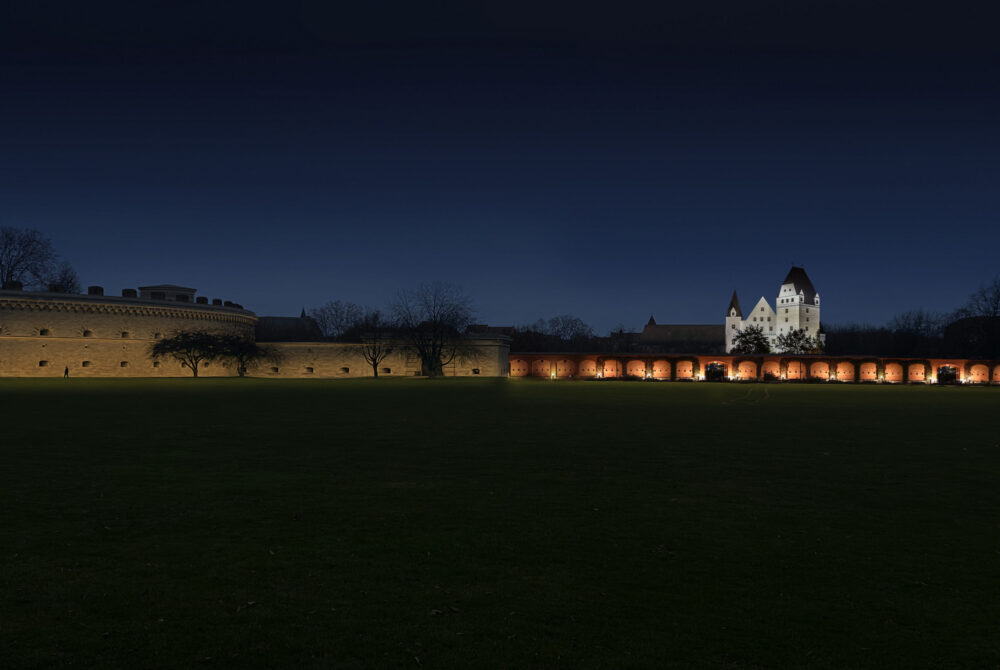
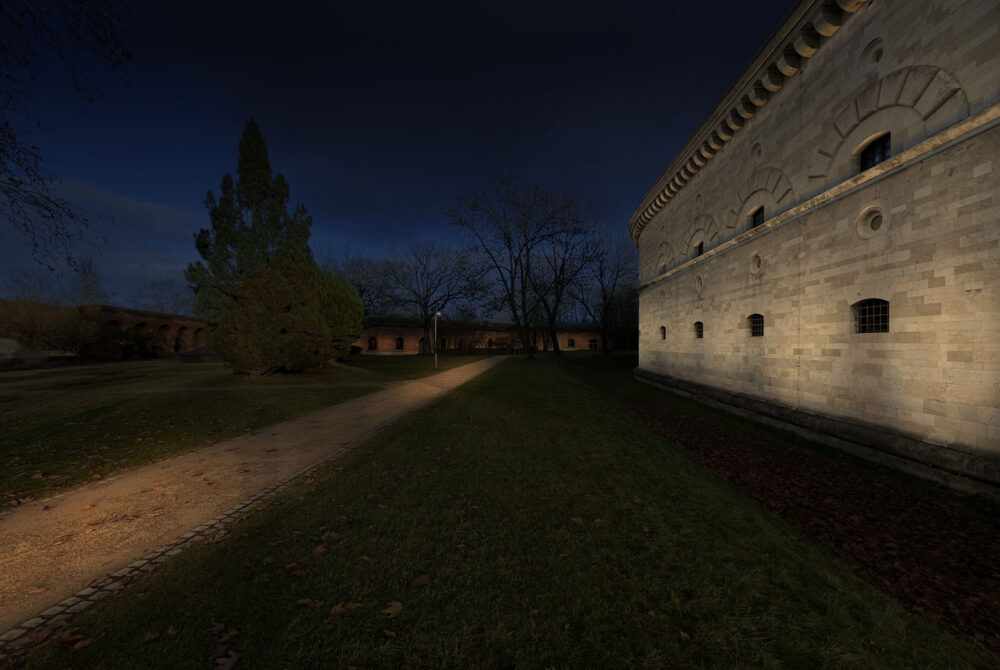
In traditional urban planning, darkness was long considered a deficit. It was equated with insecurity, loss of control, or planning failure. A contemporary lighting master plan reverses this perspective: darkness is recognised as a quality – ecologically, spatially, and aesthetically.