Implementation and Governance

LIGHTING MASTER PLAN

Implementation and Governance – How lighting planning becomes binding

A lighting master plan unfolds its value not through its mere existence, but through its application in everyday municipal life. Only when strategic guidelines are translated into understandable decisions does a conceptual document become an effective management tool. A lighting master plan is structured to link planning, political decision-making, and technical assessment – and not to stand as an isolated design guideline alongside existing instruments.
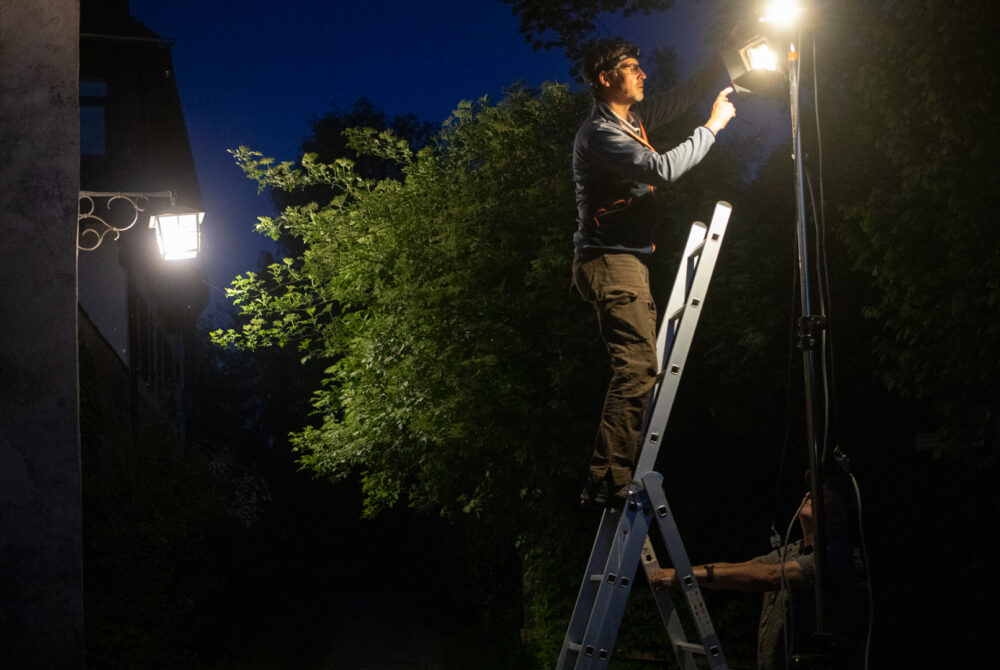
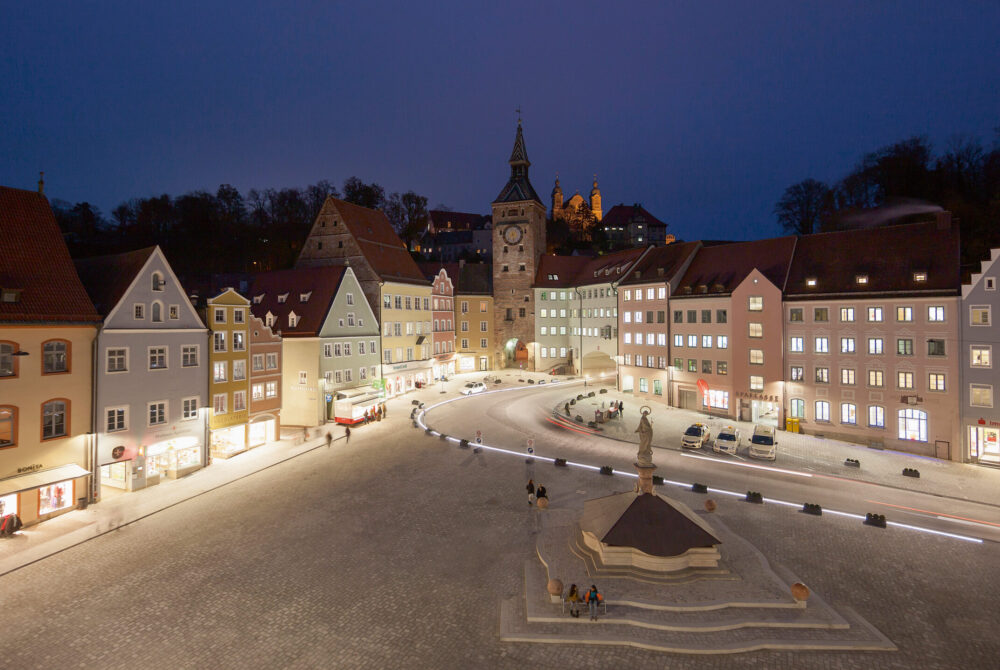
SMS Sample Assembly Tobias Furhmann
Hauptplatz scaled JPG

1. The lighting masterplan as a binding framework

A light master plan does not replace existing regulations, standards or specialist planning. Its binding nature does not arise through formal standardisation, but through its practical Applicability in local decision-making processes.

He serves as:

  • A factual basis for political decisions,
  • Framework for design and execution planning,
  • Benchmark for individual measures and investment decisions,
  • Support for argumentation with private and commercial actors.

This allows light to be viewed for the first time as a cohesive system – not as a sum of individual projects or isolated measures.

2. Integration into existing planning and decision-making processes

A key objective of the lighting master plan is its compatible integration into existing municipal structures. It does not stand apart from urban development, traffic, or open space concepts, but acts as a connecting element between them.

In practice, this means:

  • Lighting issues are integrated into planning processes at an early stage,
  • Decisions concerning lighting are made within the urban spatial context,
  • Conflicts of interest between safety, design, environment, and usability are made visible and weighed up.

The lighting master plan serves as a common technical reference for various administrative departments and external stakeholders.

3. Implementation as strategic prioritisation – not as a building programme

A lighting master plan is not an implementation plan in the sense of a construction programme. Its strength lies in prioritisation and control.

It enables:

  • step-by-step implementation alongside existing renovations and new builds,
  • Bundling of measures in spatial focus areas,
  • a structured approach to fixed assets.

This creates a long-term sustainable transformation process that makes investments predictable while also allowing for flexible responses to new demands.

4. Dealing with private and commercial light sources

An essential aspect of governance is dealing with light sources outside of direct municipal responsibility. Private, gastronomic, and commercial lighting significantly shapes the night-time urban landscape – yet often remains outside of overarching design.

The lighting master plan does not rely on bans here, but rather on guiding principles:

  • Definition of target images and quality metrics,
  • Clear recommendations for integration instead of dominance,
  • Guidance for Approval and Alignment ProcessesYou're welcome.

This makes light a designed component of urban spaces – even where the city itself is not the developer.

5. Progress Instead of Stagnation

Commitment does not end with the adoption of a plan. Cities change – as do uses, societal expectations, and technical frameworks.

The lighting master plan is therefore designed as a scalable instrument

  • It allows for adjustments to changing urban planning situations,
  • Reviews mission statements and priorities at regular intervals,
  • remains open to new requirements without losing its fundamental stance.

This way, the nocturnal cityscape remains consistent without becoming static.

6. Governance as a prerequisite for quality

The effectiveness of a lighting master plan depends significantly on clear responsibilities and coordinated decision-making processes. Lighting affects numerous stakeholders – from urban planning and civil engineering to environmental and heritage protection, as well as political bodies and external planners.

The Lighting Masterplan creates transparency by:

  • discloses professional standards,
  • Unified decision-making principles,
  • Facilitates voting processes.

This means light stops being a point of contention and becomes a shared field for design.

From concept to action

Only through clear methodology, institutional embedding and practical applicability does a strategy become a tool. Commitment arises not from rigid rules, but from understandable principles that create planning certainty – for administration, politics, planners and the urban community. Light thus becomes controllable, shapeable and effective in the long term – as an integral part of sustainable urban development.
FHN Freiham Nord Master Plan