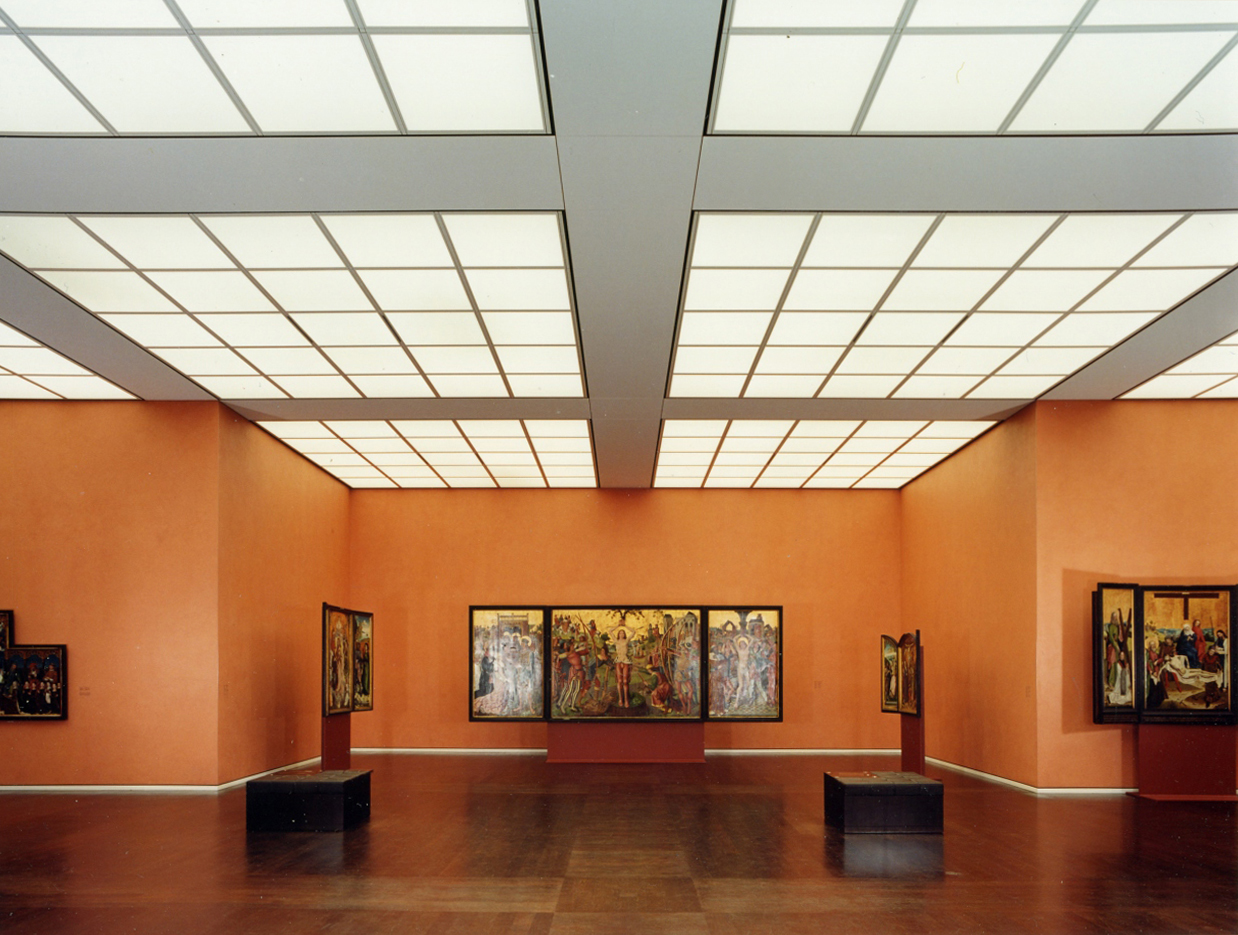
Daylight in Museums

Lighting design

Daylight in Museums: Opportunities, Challenges and Solutions

Integrating daylight into museums offers numerous benefits, including the authentic display of exhibits in natural light and its use as a sustainable energy source. Daylight creates dynamic lighting conditions, which change throughout the day and year, allowing visitors different perspectives on the displayed works. Daylight is perceptible as natural light, thereby promoting well-being. It supports the circadian rhythm, which is evolutionarily attuned to natural light cycles.
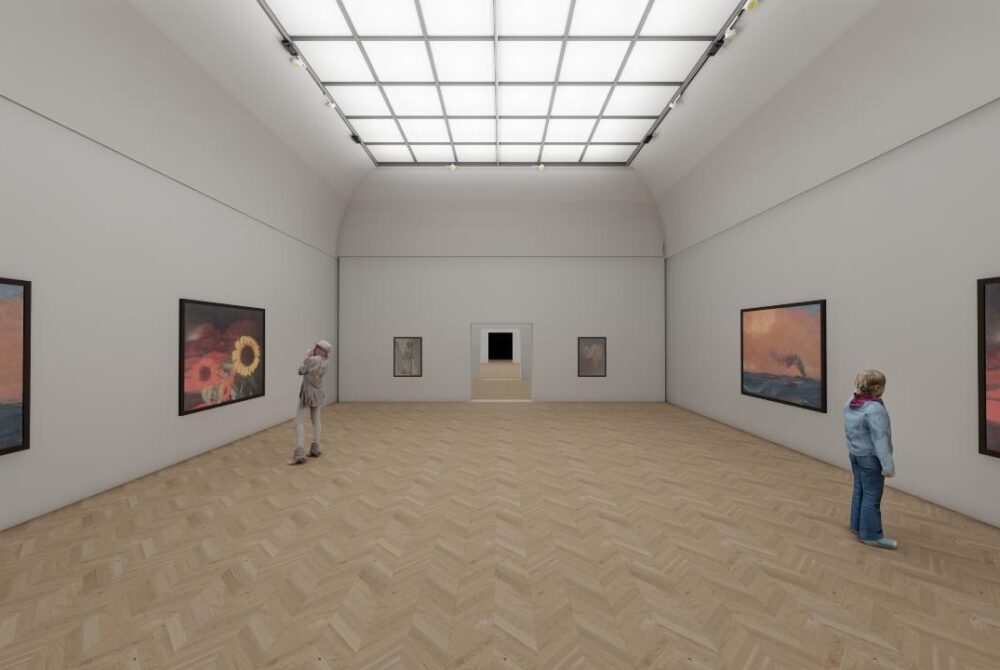
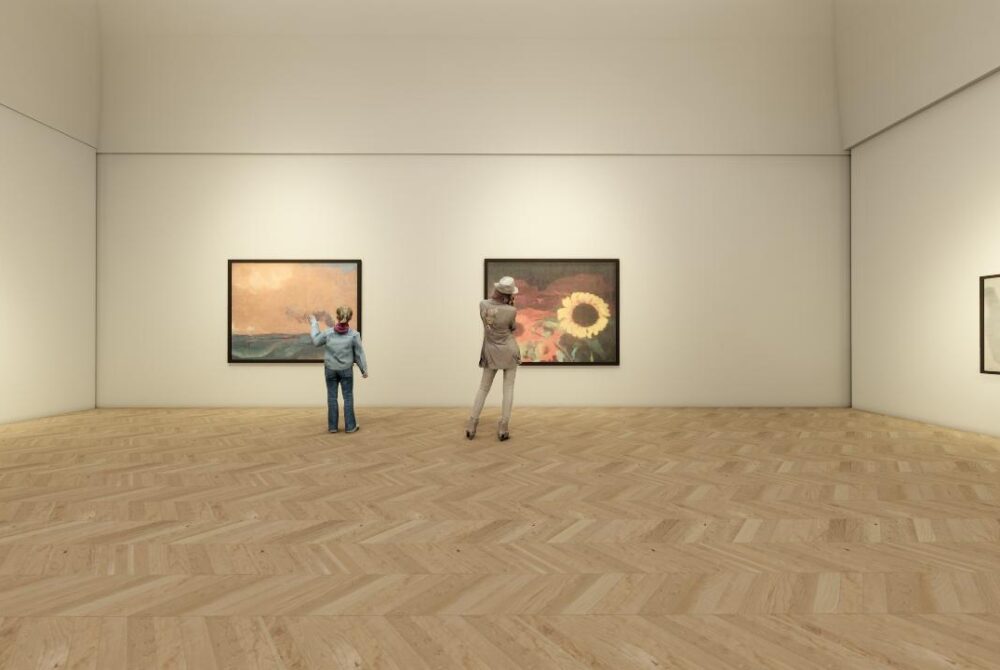
Hall of Daylight
P bottom middle

Challenges of daylighting

However, the use of daylight in museums is not without its challenges. Direct sunlight can reach high intensity levels, which not only increases thermal energy input but also raises the potential for damage to sensitive exhibits. The changing sky conditions and the constantly varying sun position require precise control systems to ensure uniform and conservatorially safe exhibition lighting.

Historical Context and Development

Since the opening of the first museums in the 18th century, daylight played a central role in lighting. Skylights and windows provided even illumination of the rooms. However, with the introduction of electric lighting in the early 20th century, the potential damage caused by daylight came into focus, and many daylight openings were closed or completely avoided in new designs. While a renaissance in the use of daylight in museums was observed from the 1990s onwards, a renewed decline has been apparent since the 2010s, as control over thermal energy input is complex and costly.

The role of architecture

The architecture of a museum significantly determines how daylight enters and is distributed within the interior space. Windows and skylights play a crucial role, as they influence the intensity, direction, and quality of the light. To compensate for the considerable luminance differences between direct sunlight and interior spaces, sun protection and light control systems are essential. How much the luminance differences and the adaptation of the human eye affect the perception of space and the legibility of exhibits is often underestimated. Therefore, daylight planning should be incorporated early in the project planning phase.

Light protection and conservation measures

Harmful UV components of daylight must be filtered to protect exhibits. While the ozone layer already filters out most of the most dangerous UV-C and UV-B radiation, glass and sun protection systems must further reduce the remaining UV-B and UV-A components. Furthermore, illuminance levels must be regulated so that conservation limits are not exceeded, which can be achieved through a targeted combination of daylight and artificial light control.

Colour temperature and artificial lighting

The use of natural light in museums offers unique benefits, but requires careful planning and the implementation of modern technical solutions. Through the use of advanced shading and control systems, daylight can be effectively utilised to optimise both the visitor experience and the protection of the exhibits. DAY & LIGHT supports museums in developing bespoke daylight solutions that meet these high standards and ensure the exhibits are presented to their best advantage.

Contact us to optimise your daylight planning from the outset and exploit the full potential of this natural light source.

Museum References

  • Hamburger Bahnhof Museum
  • Kleist Museum, Frankfurt (Oder)
  • State Museum Wiesbaden
  • Biotopia – Bavarian Natural History Museum, Munich
  • Mittenwald Museum of Art

Historic Buildings

Whether for the lighting master plans in city centres or as an urban landmark: churches and museums deserve appropriate lighting. Read more

Museum lighting

From the museum facade to be renovated to the variable exhibition lighting, we plan and design every detail. Read more

Summary

The use of natural light in museums offers unique benefits, but requires careful planning and the application of modern technical solutions. Through the use of advanced shading and control systems, natural light can be effectively harnessed to optimise both the visitor experience and the protection of the exhibits. DAY & LIGHT supports museums in developing bespoke daylight solutions that meet these high standards and ensure the exhibits are presented to the highest standard. Contact us to ensure your daylight planning is optimised from the outset and to realise the full potential of this natural light source.
Cologne Wallraf Richartz Museum