Operation and Control

LIGHTING MASTER PLAN

Operation and Control – Operation as a Planning Benchmark

A lighting master plan does not show its effect the moment it is adopted, but in its day-to-day operation. Its quality is measured by whether it facilitates decisions, structures processes, and endures in the long term – under the real conditions of budget, maintenance, approval, and political prioritisation. Operation and implementation are therefore not downstream issues, but an integral part of an effective lighting master plan.
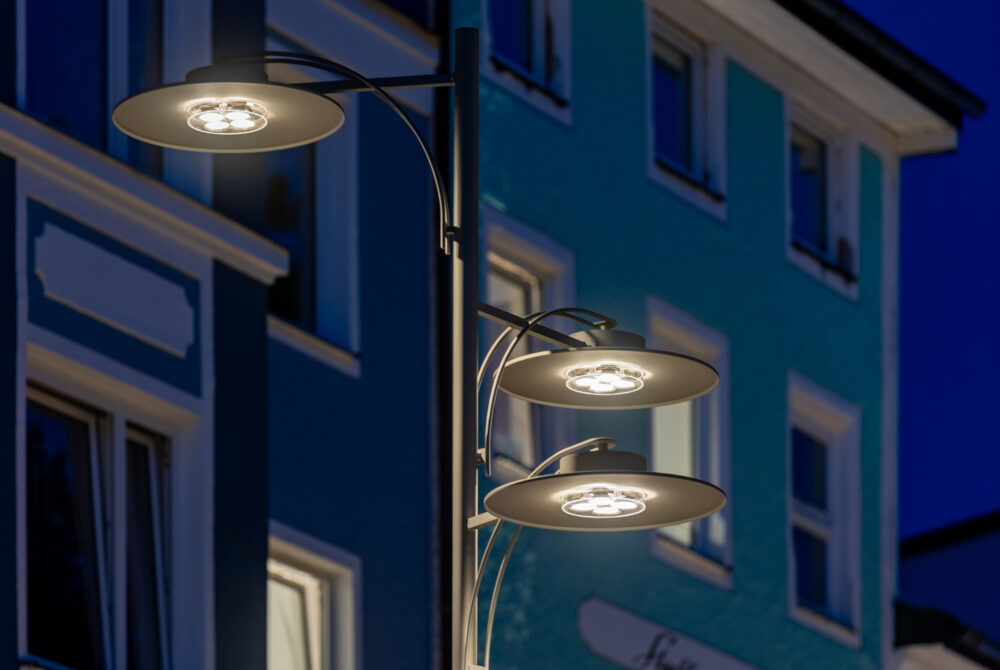
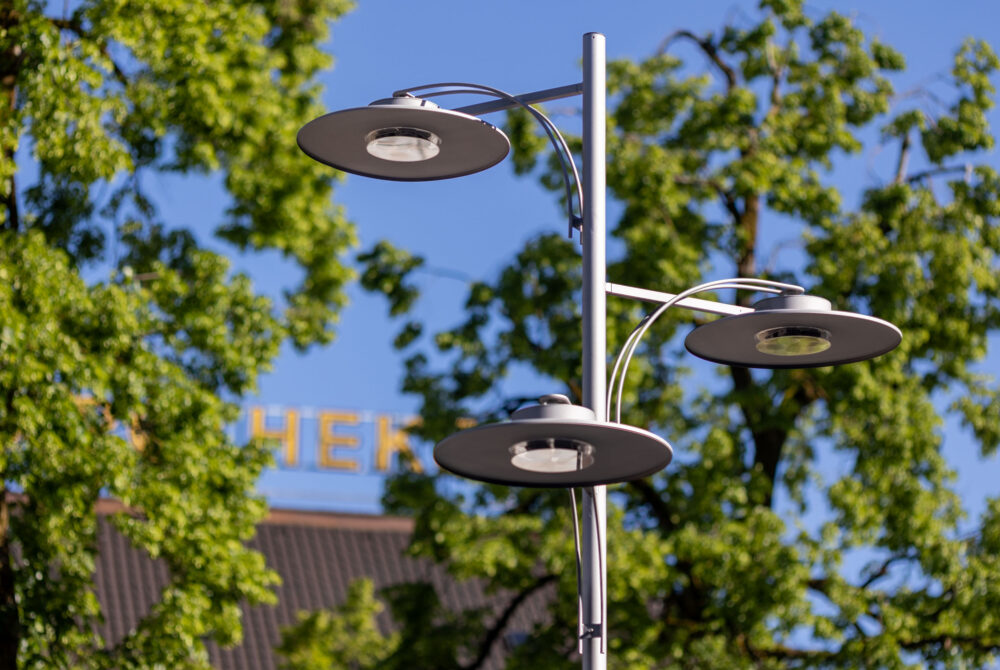
Traunstein Maxplatz
Traunstein Maxplatz

1. Operation as a planning benchmark

Urban lighting is not a temporary intervention, but permanently operated infrastructure. Maintenance cycles, spare parts availability, susceptibility to faults and accessibility determine whether a lighting concept remains viable over the years.

The Lighting Masterplan does not consider operation as a purely technical task, but rather as a planning dimension. It does not formulate product-related specifications, but rather robust requirements for light quality and systematics: light distributions, glare reduction, shielding, integration into the urban space, and ease of maintenance. This ensures that the plan remains applicable even if technologies, products, or supply chains change.

2. Standards instead of individual products

A central principle of the lighting masterplan is the Renunciation of manufacturer- or product-related specifications. Instead, he defines functional and qualitative standards that serve as the basis for tenders, refurbishments, and new builds.

These standards relate to, among other things:

  • Light guidance and shielding,
  • permissible luminance ratios,
  • Degree of integration of luminaires into buildings and urban space,
  • Glare limitation requirements,
  • Principles of ecological compatibility.

This ensures that the lighting master plan does not become outdated or obsolete as a result of technical innovations. At the same time, it provides management and operations with clear, transparent decision-making criteria.

Control instead of continuous operation

A contemporary lighting master plan considers lighting not as a static state, but as a temporally differentiated system. Usage, traffic volume, and the intensity of activity change over the course of the day and night – and with them, the actual lighting requirements.

The lighting master plan therefore enshrines the principle of graduated operating profiles:

  • time-dependent dimming,
  • user-friendly adaptations,
  • conscious reduction in sensitive time windows.

This is explicitly not about switching everything off, but about controlled management. The aim is to create a calm, consistent night-time environment that takes safety, wayfinding and environmental considerations into account in equal measure. Energy efficiency is the result of precise planning – not an end in itself.

4. Clarify interfaces – Assign responsibilities

A frequent weak point in the implementation of urban lighting lies in unclear responsibilities. Planning, operation, approval, and design are institutionally separated in many municipalities – with a corresponding risk of inconsistencies.

The Lighting Masterplan serves as a common technical reference point. It creates a foundation that different stakeholders can draw upon:

  • Urban planning and urban development,
  • Civil Engineering and Operations Departments,
  • Environmental and nature conservation authorities,
  • Political decision-making levels.

This means the light master plan will not become an additional bureaucratic hurdle but rather a decision-making aid. It reduces coordination effort, increases planning certainty, and enables coherent solutions across departmental boundaries.

5. Implementation as a process, not a project

A lighting master plan is not an end in itself, but rather the start of a structured implementation process. Measures are not implemented in isolation, but are integrated into existing refurbishment cycles, construction projects and budget planning.

The lighting master plan is deliberately designed to:

  • formulated long-term goals,
  • enables short-term measures to be taken,
  • Priorities are set without prejudging individual projects.

This is how a consistent nightscape is created step by step – without short-term investment pressure and without losing strategic objectives.

6. Governance as a prerequisite for quality

The effectiveness of a lighting master plan depends significantly on clear responsibilities and coordinated decision-making processes. Lighting affects numerous stakeholders – from urban planning and civil engineering to environmental and heritage protection, as well as political bodies and external planners.

The Lighting Masterplan creates transparency by:

  • discloses professional standards,
  • Unified decision-making principles,
  • Facilitates voting processes.

This means light stops being a point of contention and becomes a shared field for design.

The company decides on effectiveness

Operation, control and implementation are the litmus test of any strategic lighting plan. A lighting master plan is only effective if it takes operational realities seriously, defines standards rather than products, and treats control as an integral part of the process. The lighting master plan demonstrates how light evolves from a design concept into a tool: as a reliable framework for planning, operation and approval – and as the foundation for high-quality, cost-effective and responsible urban lighting in the long term.
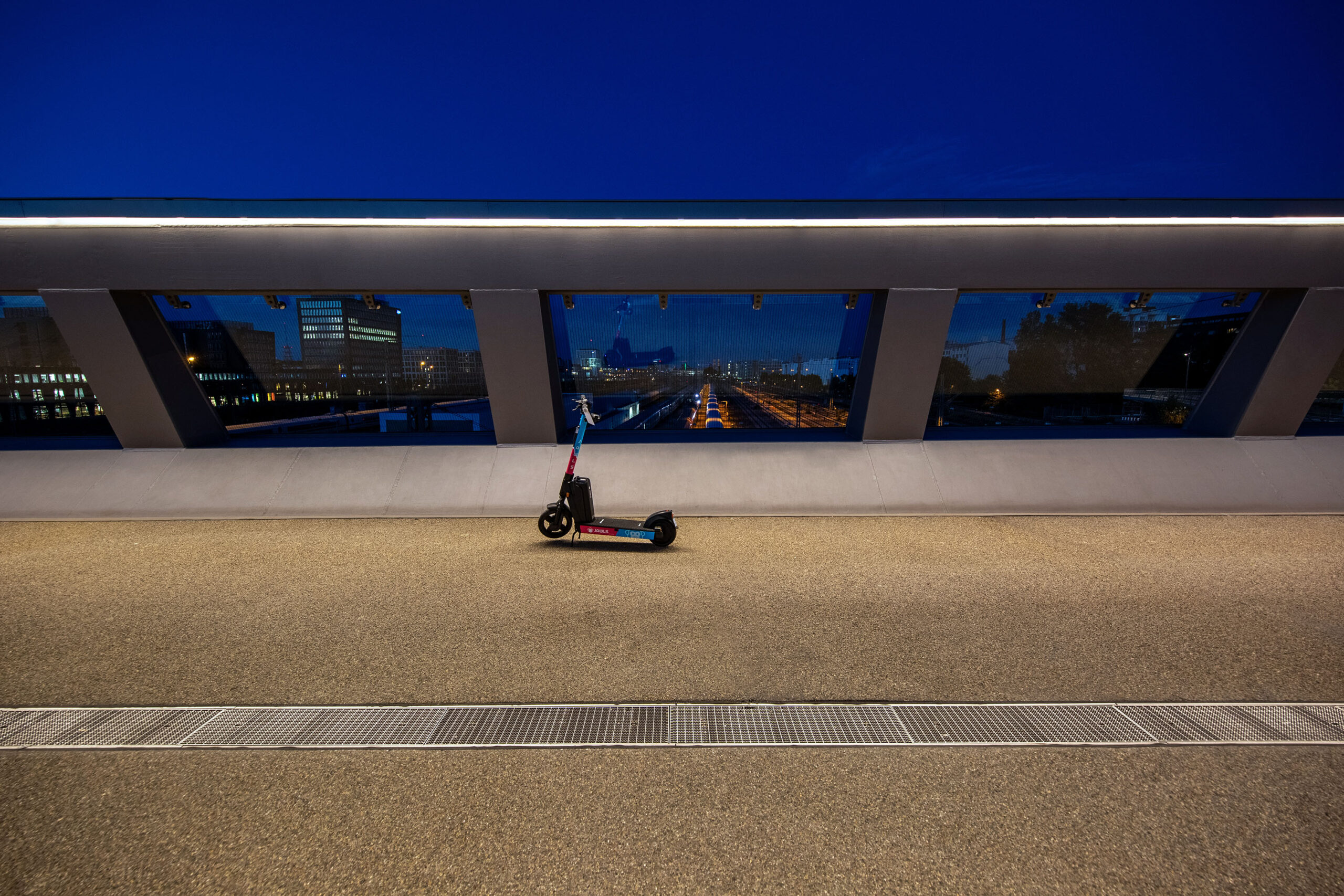
Munich Arnulfpark Bridge