Without light, there is no architecture. Light is not a visible building material – and yet it is the medium through which architecture manifests itself. Our magazine is dedicated to this perspective. It regards light architecture as a distinct design discipline with historical roots in the Enlightenment of the 1920s, when Joachim Teichmüller first described light as a distinct „building material“.

Our magazine covers topics from architecture, interior design, and urban space – always with a focus on light as a design element. We consider daylight and artificial light not separately, but in relation to each other. Interior and exterior spaces are understood as interconnected systems, linked by transitions, visual connections, and luminance ratios.
The essays show how light organises spaces, influences use, and makes architectural concepts legible.
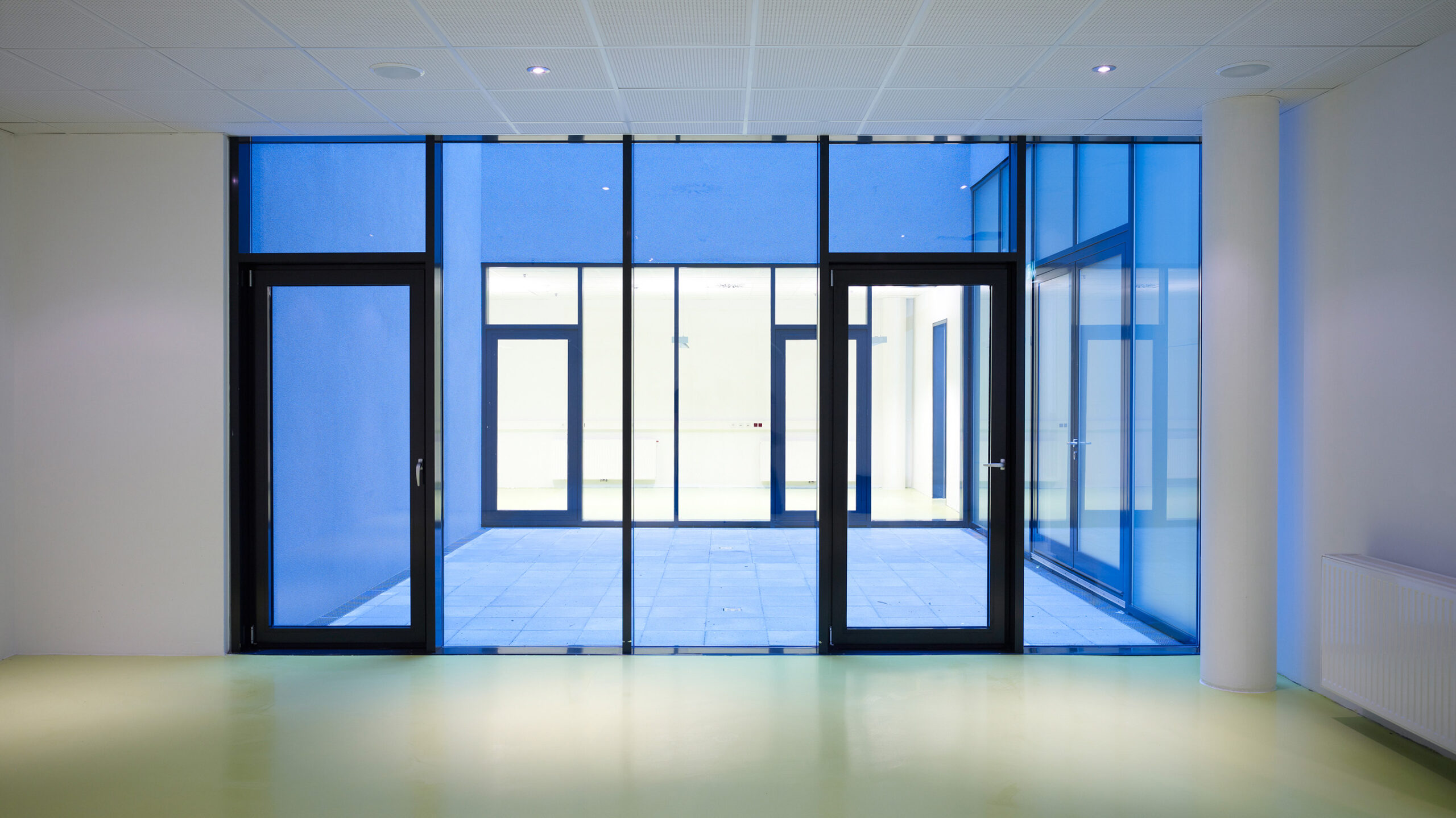
In the second half of the 20th century, formulated Richard Kelly a differentiation that shifts the focus: away from light as material, towards its effect in space. Its three categories – ambient luminescence, focal glow and a display of brilliance – no longer describe light sources, but perception. With this perspective, lighting design becomes for the first time a discipline that systematically engages with seeing, attention, and spatial readability.
This development continued over the following decades. The work of Walter Witting, in particular, makes it clear that light cannot be viewed in isolation, but is always linked to perception, adaptation and context.
This shifts lighting design once again: from illumination to the shaping of perception. Light is no longer judged primarily on how much is present, but on how it affects the space – how it creates orientation, makes transitions readable, and supports usage.
Light architecture as a discipline between design, perception, and use; as an integral part of architecture. Our contributions illuminate topics from interior spaces, urban spaces, and daylight planning – always with a focus on effect and a constructive engagement with what light actually achieves in a space.
