Anyone moving through a city today – whether in the dense traffic flow of main thoroughfares, the quiet side streets of a residential area, across squares or through parks – encounters the subject of light at every turn. Modern light is far more than a means of making paths visible: it is an essential element of urban quality of life, relating equally to safety, orientation, atmosphere, sustainability and design quality.
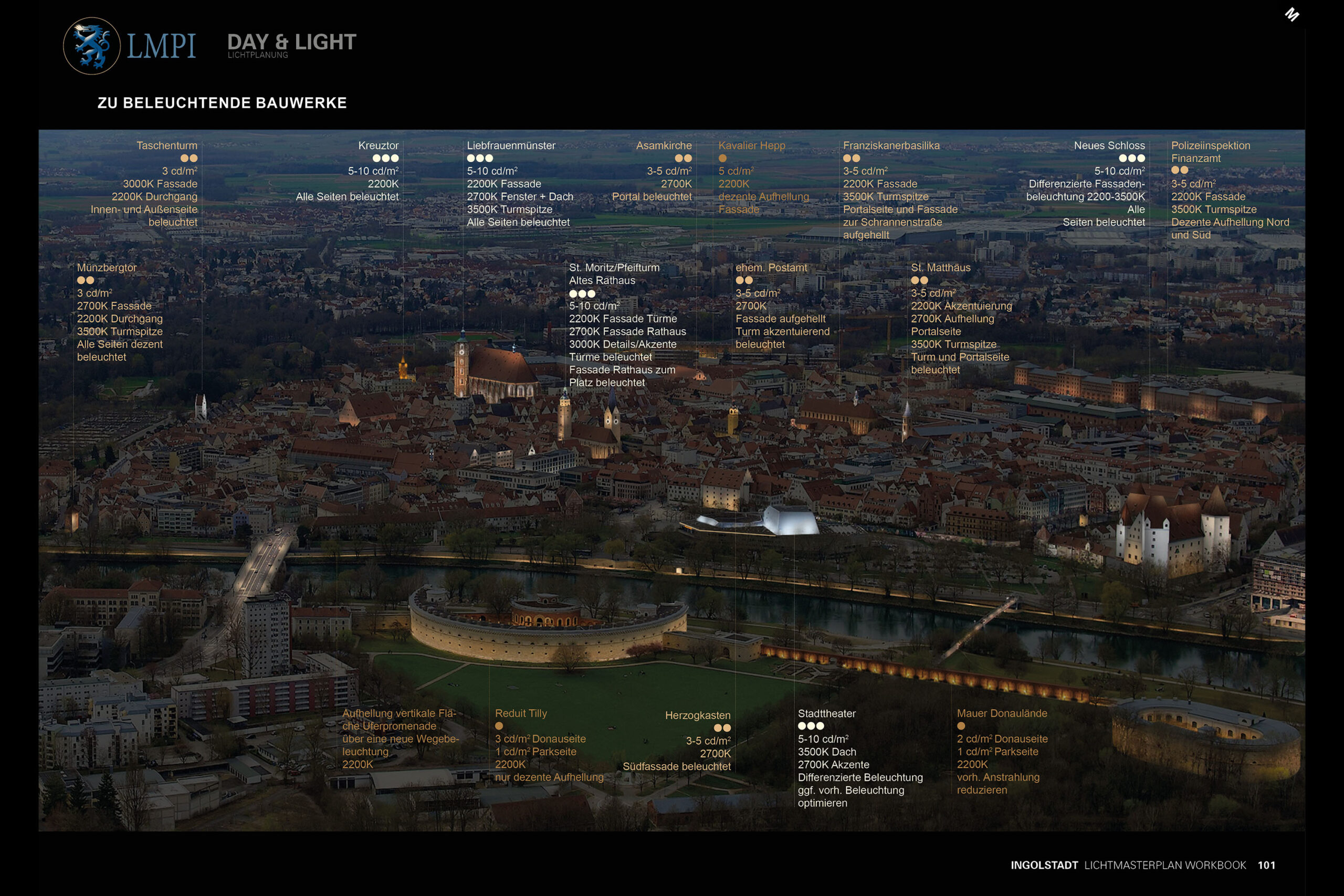
Urban lighting is not a mere technical detail, but fulfils a central societal function. It ensures visibility and safety in public spaces, reduces accident risks and crime, supports mobility and orientation, and enhances the quality of public life. This goes far beyond merely street lighting. The lighting of squares, buildings, and objects significantly shapes the spatial appearance of a city and contributes to the identity of urban areas. Private and commercial lighting also influences the impact of the urban landscape – as does the conscious decision to forgo lighting in certain areas to preserve darkness as part of an ecologically balanced night-time environment.

A crucial step on the path to a sustainable lighting design is the switch to energy-efficient LED technologies. These enable a significant reduction in electricity consumption and improve local authorities’ carbon footprint. Lighting still accounts for around 30 to 50 per cent of local authorities’ energy consumption – investing in this area delivers long-term cost savings whilst sending a clear signal in support of climate protection and quality of life.
In parallel, the implementation of new lighting systems requires a holistic view of the
Life cycle costs – from installation through maintenance and spare parts supply to eventual disposal. The selection of high-quality, durable and sustainable systems is crucial for economic operation and public acceptance. In this regard: Standards and guidelines are helpful guides, but they do not replace design or ecological responsibility. They are not laws – and do not automatically solve many of the current challenges.
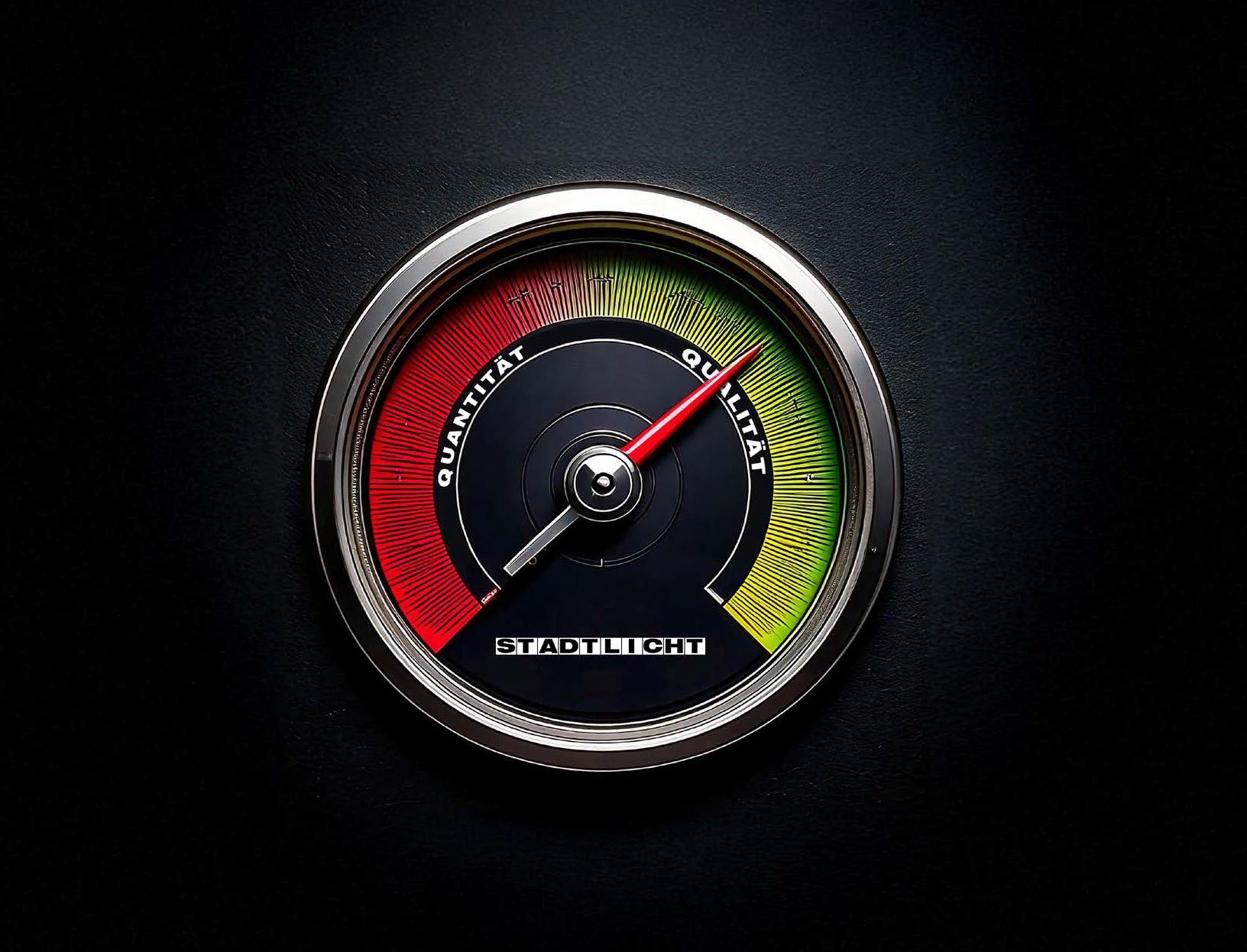
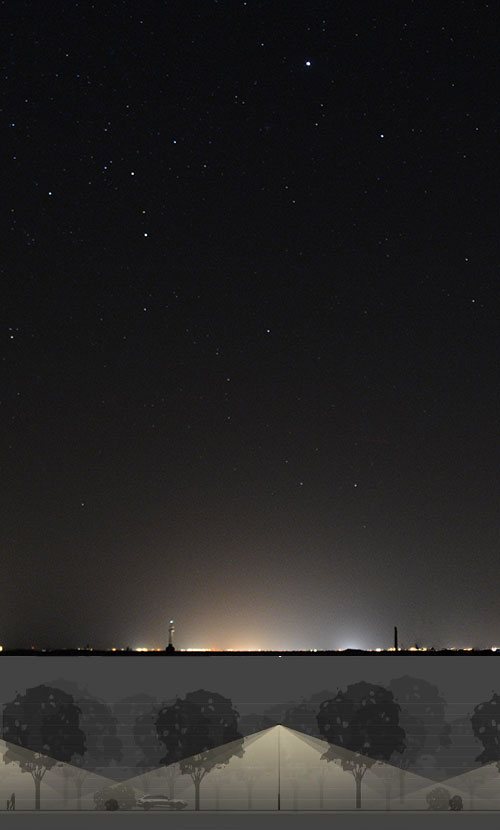
Because sustainable lighting design goes beyond technical indicators. It operates within the demanding intersection of energy efficiency, investment costs, maintenance effort, environmental and nature conservation, as well as urban development and design requirements. The greater the desire to reduce light pollution, the more complex and expensive the technology often becomes – and conversely, maximum light yield can come at the expense of the environment. This is where the true art of holistic lighting design lies: finding a balanced relationship between all objectives and consciously setting priorities depending on the location and function.
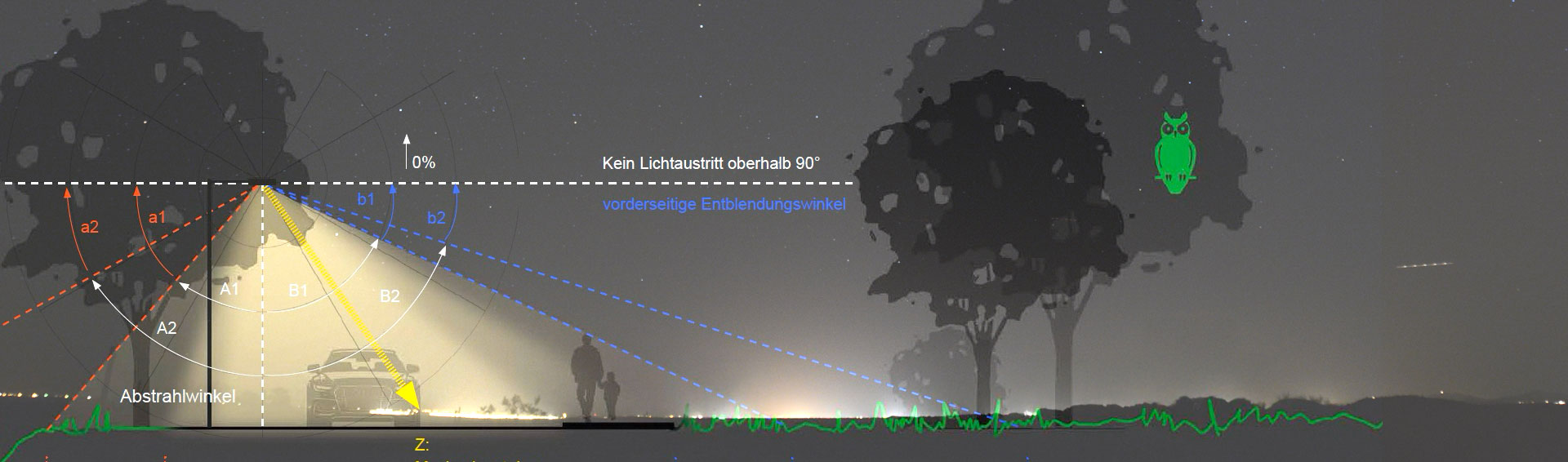
So requires increased Nature conservation potentially a higher investment or greater energy expenditure. At the same time, the necessary amount of light always depends on the quality of the lighting solution. Therefore, forward-thinking lighting design must not only function from a technical and economic perspective, but also integrate ecological and aesthetic criteria – and have the courage to deliberately limit or even omit light.
Note on the scope of our planning. Motorways in Germany are generally not illuminated and are not part of our responsibilities. We plan classic street lighting as part of an overarching urban space or a lighting master plan – that is, where it can be meaningfully integrated spatially, aesthetically, and ecologically.
The requirements, opportunities, and challenges are diverse. The following presents current topics and projects that show what future-oriented lighting concepts look like today – and how they can shape the cities of tomorrow.